
Why Small Market Office Investments Are Different
Office buildings in smaller markets like Ames and Nevada, Iowa can offer unique opportunities—but they also require a slightly different approach compared to larger metro areas.
Instead of relying solely on population density or national trends, smaller markets depend more on:
Local demand
Business growth patterns
Accessibility and location
Understanding these nuances is key when evaluating any office building investment.
Start with Location & Accessibility
Location remains one of the most important factors in any commercial investment.
In Central Iowa, key indicators of a strong location include:
Proximity to major roadways like Hwy 30 and I-35
Easy access for employees and clients
Connection to nearby hubs like Ames and the Des Moines metro
Properties with strong regional access tend to maintain long-term usability across different types of tenants or uses.
Evaluate the Layout & Functionality
The way a building is designed can significantly impact its flexibility and long-term appeal.
Look for:
A balance of private offices and shared spaces
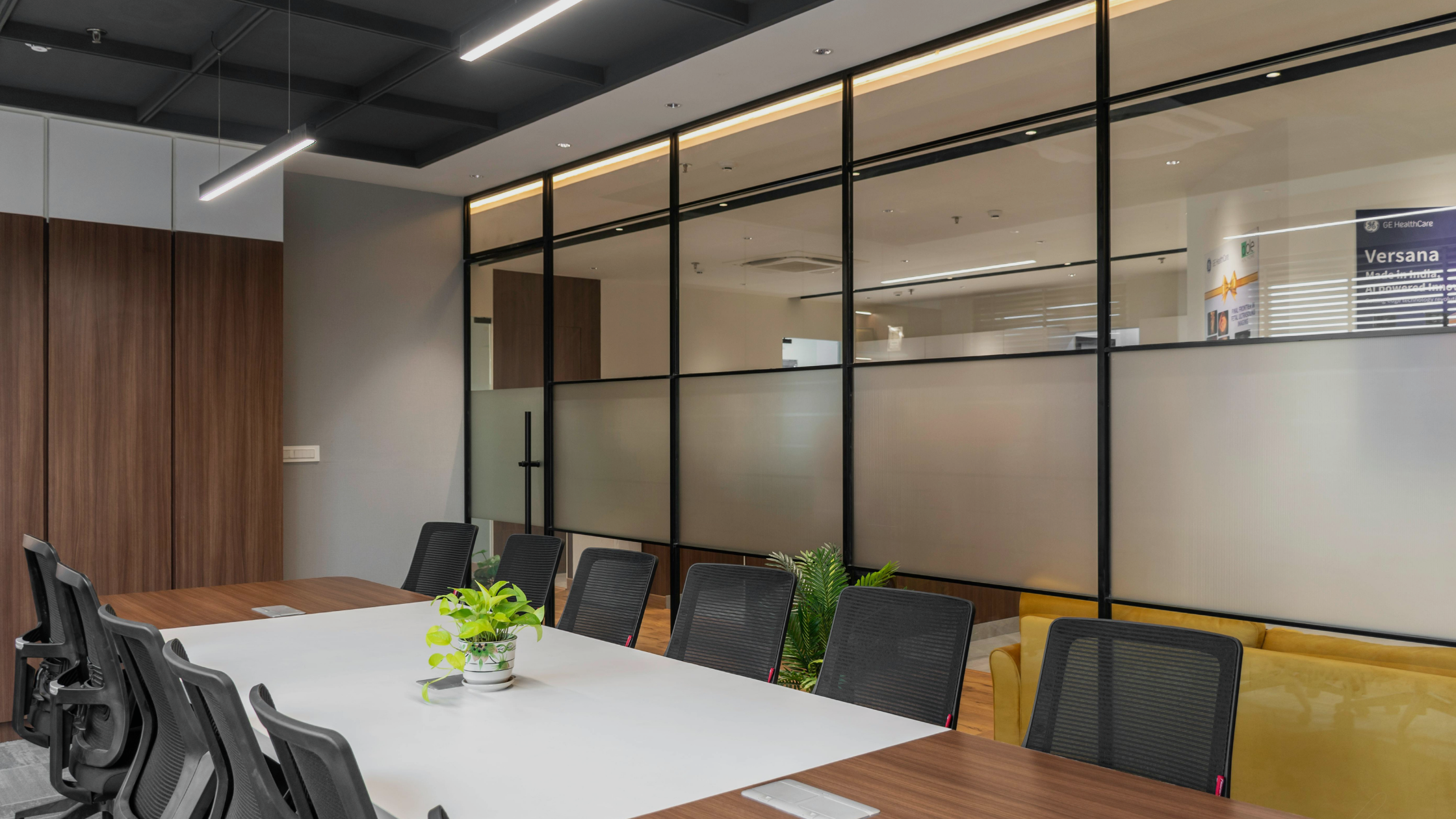
A conference room or meeting area
Break areas or kitchens
Logical flow between spaces
Buildings with a functional layout can adapt more easily over time, which is especially important in smaller markets where tenant needs may vary.
Consider Parking & Site Size
Parking is often overlooked—but it plays a major role in usability.
Key things to evaluate:
Total number of parking spaces
Ease of entry and exit
Ratio of parking to square footage
In many cases, properties with ample parking and additional land offer more flexibility and long-term value.
Assess the Condition & Exterior Materials
Understanding the condition of the building helps provide insight into future maintenance needs.
Consider:
Age of the building
Exterior materials (such as durable siding options)
Roof and major systems
Overall upkeep
Well-maintained properties with durable materials can reduce long-term operating concerns.
Understand the Surrounding Market
In smaller markets, the surrounding area can have a significant impact on performance.
Evaluate:
Nearby businesses and services
Population growth in the area
Proximity to major employers or institutions (such as Iowa State University in Ames)
Markets with steady activity and growth tend to support stronger long-term stability.
Look at Flexibility for Future Use
One of the most important considerations in a small market is how adaptable the property is.
Ask:
Can the space be reconfigured if needed?
Could it support multiple users or uses over time?
Does the layout allow for different types of businesses?
Flexibility can help protect value over time as market needs evolve.
Compare Size, Price, and Features
When evaluating an office building, it’s helpful to compare:
Price relative to square footage
Number of offices or usable spaces
Features like conference rooms, kitchens, and parking
For example, properties in the Central Iowa market around the $500K range may offer 5,000+ sq ft with multiple offices and strong parking, particularly in areas just outside larger metros.
Balance Opportunity with Practical Use
Office building investments in smaller markets often perform best when they balance:
Practical, day-to-day usability
Strong location and access
Flexibility for different uses over time
Focusing on these fundamentals can help guide more informed decisions.
Final Thoughts on Evaluating Office Buildings
Evaluating an office building investment in a market like Ames or Nevada is less about trends and more about fundamentals.
Properties that combine:
Accessible locations
Functional layouts
Adequate parking and space
tend to offer more consistent long-term value.
Learn More About Commercial Opportunities in Central Iowa
If you’re exploring commercial real estate in the Ames or Nevada area and want insight into current opportunities, our team can help provide guidance based on the local market.
👉 Reach out to learn more or schedule a tour of available properties.