
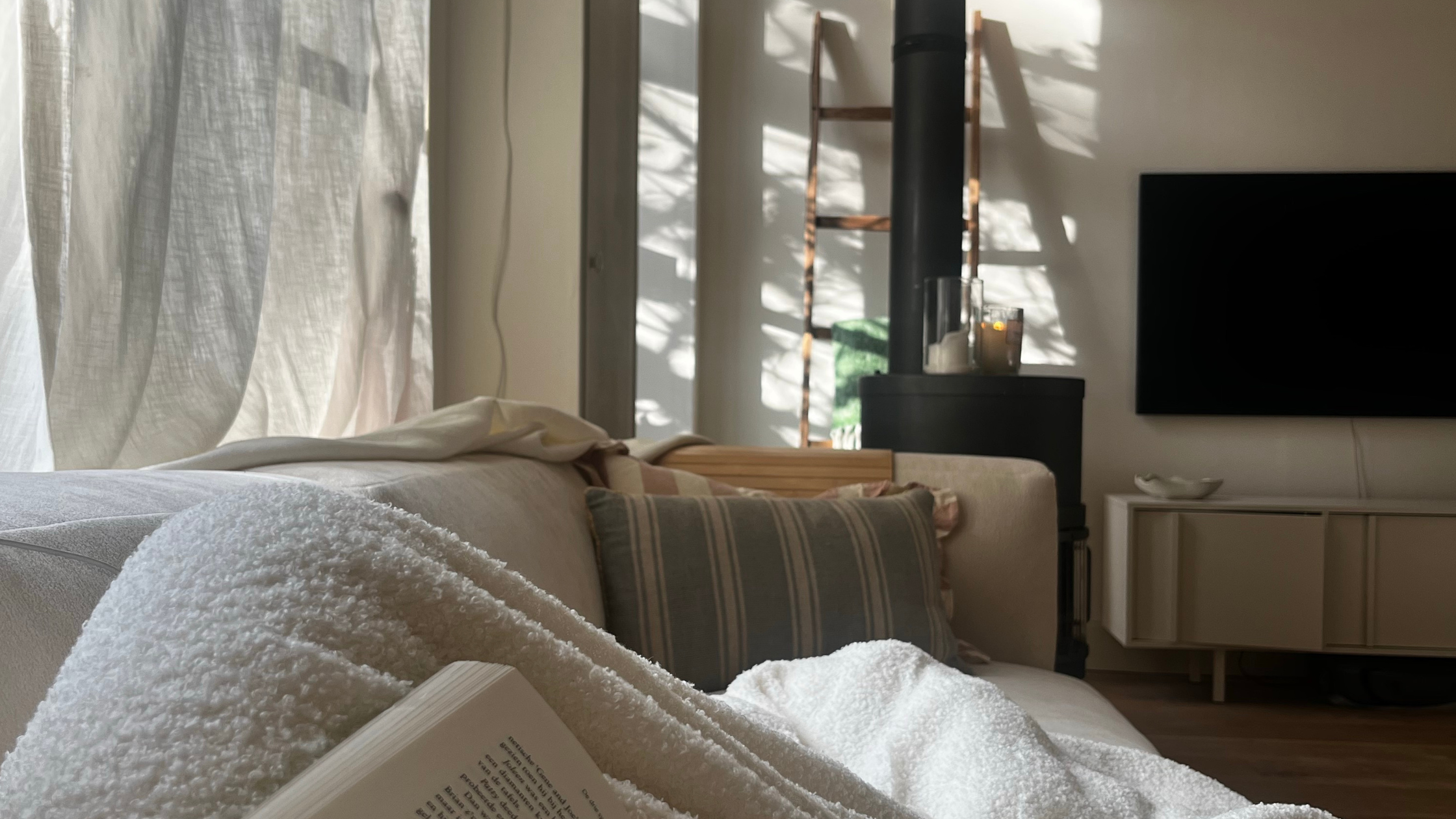
A cozy living room and a snow-covered backyard can make a home feel especially inviting in winter. But when you’re buying a home in Ankeny, Iowa, a cold-weather showing is also a chance to notice details that affect everyday life.
Where will wet boots go? How much daylight reaches the living room? Will the driveway be easy to manage after a snowfall?
You don’t need to become a home inspector during a showing. Your goal is to understand how the home feels, how the layout works, and which questions deserve a closer look.
Here are 10 things to pay attention to when touring Ankeny homes this winter.
1. How Comfortable Each Room Feels
As you walk through the home, notice whether the temperature feels reasonably consistent from room to room.
Does an upstairs bedroom feel noticeably cooler? Is the basement comfortable? Does the room above the garage feel different from the rest of the house?
Temperature differences can have several explanations, including thermostat settings, closed vents, insulation, or the heating system. A showing won’t tell you the cause, but it can help you identify questions to ask.
If something stands out, make a note so you can discuss it with your agent and home inspector.
2. Drafts Around Windows and Exterior Doors
Take a moment near windows, sliding doors, and exterior entrances. Notice any obvious cold air, rattling, damaged weatherstripping, or difficulty opening and closing doors.
Look at the surrounding trim for visible staining or damage, too.
Older windows don’t automatically mean a home is a poor choice, and newer windows don’t guarantee trouble-free performance. What matters is understanding their condition and factoring potential maintenance into your decision.
Ask about the age of the windows and whether the seller has information about replacements or repairs.
3. Natural Light on Shorter Days
Winter is a useful time to see how a home feels when daylight is limited.
During a daytime showing, notice which rooms receive natural light and which rely heavily on lamps or overhead lighting. Think about where you’ll spend your mornings, work during the day, or relax in the afternoon.
A bright kitchen might matter more to you than a sunny bedroom. If you work from home, the light in a potential office may be especially important.
If your first showing is after dark, consider returning during daylight before making a decision.
4. The Driveway, Sidewalks, and Front Steps
A driveway that looks appealing in listing photos may feel different when you picture clearing it before work.
Look at its length, width, and slope. Notice the route from the driveway to the front door and whether there are several steps to navigate.
Consider practical questions such as:
Where would you put cleared snow?
Is there room to park without blocking the sidewalk?
Would you need to move vehicles to clear the driveway?
Are handrails and exterior lights conveniently located?
If you’re touring a townhome or a property with an association, ask which snow-removal services are included and review the written responsibilities.
5. Garage Space You Can Actually Use
A garage’s advertised stall count doesn’t tell you everything about how it will work for your household.
Think about your vehicles, storage needs, and the space required to open doors comfortably. Look for room for a snowblower, shovels, bikes, trash bins, and other items you plan to keep there.
Also, walk the route from the garage into the home. Carrying groceries inside during an Iowa winter is easier when the entry fits your routine.
If a heated garage is an important feature, ask what equipment is included and have its condition evaluated during the inspection process.
6. A Place for Boots, Coats, and Winter Gear
Winter makes entryway storage especially easy to appreciate.
Whether the home has a dedicated mudroom, a coat closet, or a simple entry area, picture how your household would use it.
Is there space to sit down and remove boots? Where would wet gloves dry? Can several people come inside without crowding the doorway?
Look beyond attractive built-ins and consider whether the storage fits what you actually own. A well-placed closet or a practical laundry room may be more useful to you than a larger entry without storage.
7. Visible Signs of Moisture
As you tour, pay attention to visible water stains, peeling paint, damp-looking areas, and musty odors, especially in the basement and around windows.
These observations don’t establish the source or seriousness of a problem. They do give you a reason to ask more questions.
Ask about any known water intrusion, previous repairs, sump-pump equipment, and available documentation. Review the seller’s disclosures with your agent and bring concerns to your inspector.
A dry basement during one showing also doesn’t tell you how it performs during spring snowmelt or heavy rain.
8. What You Can See Outside—and What Snow Hides
Try to view the exterior during daylight, using safely accessible areas.
Look at visible siding, gutters, downspouts, decks, and steps. Notice where downspouts discharge and whether any obvious ice buildup or damage deserves follow-up.
At the same time, recognize what you can’t see.
Snow may conceal portions of the roof, landscaping, grading, patios, or other surfaces. Avoid making assumptions about their condition based on winter photos or a snow-covered showing.
Ask your inspector to explain any weather-related limitations and discuss how unanswered questions can be addressed before moving forward.
9. Heating Equipment and Available Maintenance Information
You don’t need to evaluate a furnace yourself, but you can ask useful questions.
Find out what type of heating system the home uses, its approximate age, and whether maintenance records are available. Ask about other equipment that comes with the home, such as a humidifier or fireplace.
If the seller can provide utility history, it may offer context for your budget. Remember that your costs could differ based on thermostat settings, household size, usage, and weather.
Have the heating system evaluated by your inspector, with additional specialist review if recommended.
10. How the Location Fits Your Winter Routine
The showing starts before you reach the front door.
As you drive to the home, think about your usual routes to work, school, groceries, and other regular stops. Consider how the location connects with the places you visit most, whether that’s Uptown Ankeny, Prairie Trail, or destinations elsewhere in the Des Moines metro.
Notice street parking, nearby intersections, exterior lighting, and the walk from parking areas to the home.
If possible, revisit the area at a different time of day. A quiet midday showing may give you a different impression than an evening drive when more neighbors are home.
A Winter Showing Is a Starting Point
Winter can help you picture how a home handles daily life during one of Iowa’s most demanding seasons. It can also leave some exterior details harder to evaluate.
Use your showing to identify what you like, what you need, and what deserves further investigation. Then work with your agent and inspector to get the information you need before making a commitment.
Looking for a Home in Ankeny This Winter?
The right home should fit your routine throughout the year, including snowy mornings, early sunsets, and evenings spent inside.
If you’re planning to buy a home in Ankeny or the surrounding Central Iowa communities, contact The Hokel Real Estate Team at Century 21 Signature Real Estate. We’ll help you compare homes, ask useful questions, and find a property that fits your needs and your budget.